




Introduction: The Digital Shift in Retail
As consumer behavior shifts back from online shopping to in-person experiences, the retail industry is undergoing a profound digital transformation. Smart retail focuses not only on improving operational efficiency but also on creating personalized, immersive, and seamlessly connected shopping journeys. At the heart of this transformation, OLED display technology, with its exceptional visual performance and interactive capabilities, is becoming a key medium that connects brands with consumers.

OLED Displays: A Game Changer for Retail
Core Technological Advantages
- Exceptional Visual Quality: OLED displays offer true deep blacks and vibrant colors through self-emissive pixels, providing contrast and color accuracy far beyond traditional LED displays.
- High Transparency Design: Transparent OLED displays maintain over 45% transparency, allowing digital content to blend seamlessly with physical products.
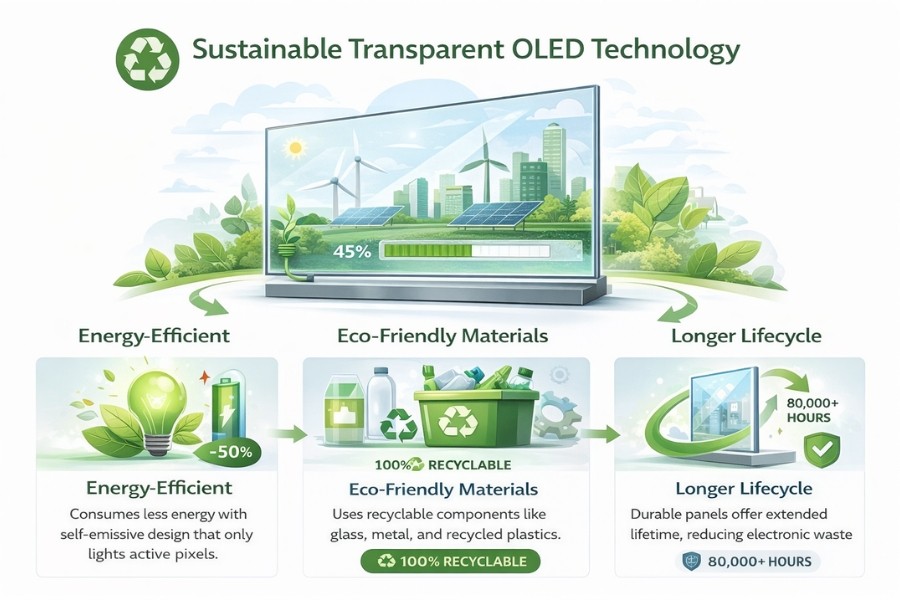
- Energy-Efficient: OLED's unique self-emissive nature, where black pixels do not emit light, significantly reduces energy consumption, aligning with the green retail trend.
- Slim and Flexible Form Factor: OLED technology enables ultra-thin, flexible designs, breaking free from the limitations of traditional backlit modules, offering retailers a wide range of space-fitting options.
The Innovative Value of Transparent OLED
As a leader in high-end transparent OLED display technology, RUSINDISPLAY focuses on upgrading traditional display devices into transparent, intelligent, and visually interactive display systems. Our solutions go beyond hardware manufacturing and offer customized display systems, integration of interactive technologies, and creative content services, providing a comprehensive digital display experience for commercial spaces.
How Smart Retail Technologies Are Enhancing Shopping
1. Augmented Reality (AR) and Mixed Reality (MR)
- Virtual Try-Ons: Experience fashion, accessories, and cosmetics without physical contact.
- 3D Visualization of Products: Preview how furniture or appliances fit into your real-world space via mobile apps.
- Information Overlay: Superimpose product specifications, tutorials, and brand stories on physical items.
2. Artificial Intelligence (AI) and Data Analytics
- Customer Behavior Analysis: Use smart cameras for anonymized traffic counts, heatmaps, and sentiment analysis to understand in-store dynamics.
- Personalized Recommendations: AI-powered systems provide intelligent product recommendations based on shopping history and real-time behavior.
- Smart Inventory Management: AI predicts demand fluctuations, optimizing stock levels and replenishment strategies.
3. IoT and Smart Devices
- RFID Full-Link Tracking: Real-time inventory tracking from warehouse to shelves.
- Smart Shelves: Weight-sensing shelves with dynamic pricing and low-stock alerts.
- Checkout-Free Solutions: Sensor fusion enables a seamless "grab and go" shopping experience.
Real-World Applications of Transparent OLED in Retail
1. Window and Storefront Display Revolution
Transparent OLED windows maintain the shop's visibility while running dynamic digital content. RUSINDISPLAY’s customized transparent display systems are ideal for showcasing high-value items like luxury watches and jewelry, elevating product aesthetics while integrating rich digital content to tell the brand's story.
2. In-Store Interactive Experience Enhancement
- Smart Display Cases: Provide detailed product information, styling suggestions, and purchasing options alongside physical items.
- Virtual Shopping Assistants: Transparent OLED displays house virtual salespeople, offering 24/7 product consultations and guided tours.
- Interactive Art Walls: Combine product displays with brand aesthetics, creating photogenic immersive spaces for customers to share their experiences.
3. Touchless Shopping Experience
In the post-pandemic era, transparent OLED displays facilitate touchless browsing and information retrieval, allowing customers to learn about products, view nutritional information, or explore style recommendations independently, enhancing both convenience and safety.
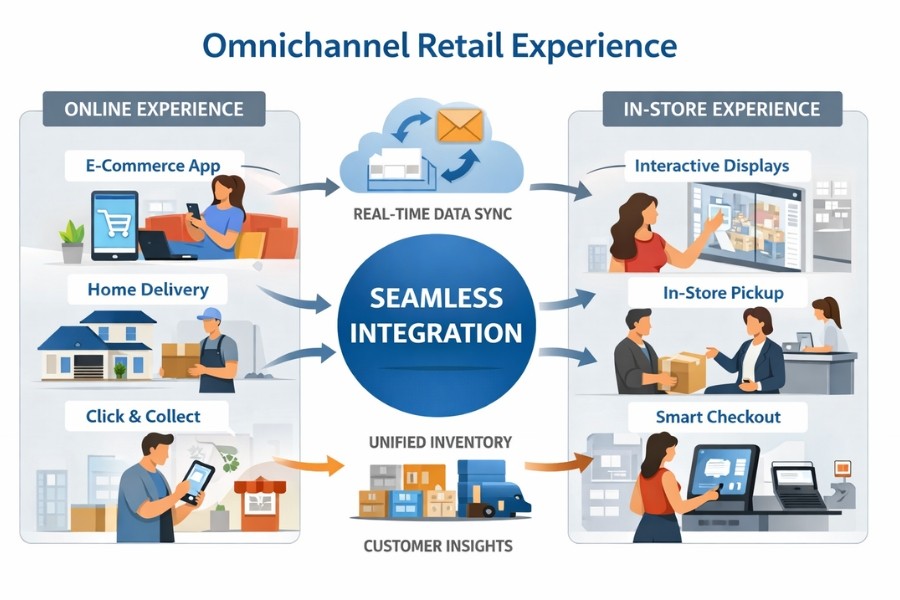
Connecting Digital and Physical Shopping: The Power of Omnichannel Retail
The true value of transparent OLED technology lies in its ability to bridge the physical and digital worlds. By combining the advantages of online content and in-store experiences, brands can:
- Ensure Consistent Brand Identity: Maintain visual consistency between online promotions and in-store displays.
- Integrated Data: Merge in-store behavioral data with online shopping data to create a comprehensive customer profile.
- Journey Continuity: Support smooth transitions between online wishlists and in-store checkouts, or in-store experiences with online orders.
- Real-Time Content Updates: Quickly adjust display content based on promotions, seasonality, or stock levels.
What’s Next: The Future of Retail Displays
Technological Developments
- Higher Resolution and Brightness: The increasing availability of large transparent OLED panels, such as 77-inch displays, will support more refined visual presentations.
- More Natural Interaction: Future displays will incorporate gesture recognition, voice control, and haptic feedback for a multi-modal user experience.
- Environment-Adaptive Displays: Displays that automatically adjust brightness and content based on ambient light and foot traffic.
- Sustainable Design: OLED technology will continue to evolve towards lower energy consumption, the use of recyclable materials, and longer product lifecycles.
Retail Application Prospects
- Autonomous Store Layouts: AI-driven systems will analyze real-time customer flow data to suggest or automatically adjust product displays.
- Ultra-Personalized Content Delivery: Face recognition (anonymous) will allow for tailored content for different customer groups.
- Holographic Integration: Combining transparent OLED with holographic technology to create hologram-like floating product visuals.
- Social Shopping Integration: Display real-time user-generated content and reviews directly in-store.
Overcoming Challenges in Smart Retail Implementation
Common Challenges
- Technical Integration Complexity: Difficulties with integrating new and old systems.
- Initial Investment: High upfront costs for premium display hardware and systems.
- Content Creation Needs: Continuous production of high-quality, display-optimized digital content.
- Privacy Balance: Maintaining customer privacy while collecting behavioral data.
RUSINDISPLAY’s Integrated Solutions
As a leading provider of high-end transparent OLED display hardware and solutions, RUSINDISPLAY offers end-to-end services, from hardware customization and interactive technology integration to content creation and ongoing optimization. Our expert team ensures that clients receive:
- Needs Analysis and Solution Design: Tailored display solutions based on brand positioning and space requirements.
- System Integration and Installation: Seamless integration of new display systems with existing retail infrastructure.
- Content Strategy and Creation: Professional guidance in creating compelling digital content.
- Continuous Optimization and Maintenance: Regular updates and adjustments to optimize the display’s performance based on real-world usage data.
FAQ
Q1: What is the key difference between transparent OLED and traditional LED displays in retail applications?
The most notable difference is the high transparency of OLED (up to 45%), allowing customers to see both the digital content and the physical products behind the display. In contrast, traditional LED displays are opaque and only show digital content, making transparent OLED ideal for dynamic product showcases and interactive retail environments.
Q2: Is the maintenance cost of transparent OLED high?
Modern transparent OLED panels have significantly longer lifespans, often lasting tens of thousands of hours. RUSINDISPLAY’s modular design makes it easy to replace faulty components, reducing maintenance complexity and costs.
Q3: How can the ROI of transparent OLED displays be measured?
ROI can be evaluated by comparing sales conversion rates before and after installation, tracking foot traffic and customer dwell time via smart cameras, and assessing improvements in brand perception through customer surveys.
Q4: Are transparent OLED displays suitable for small retail shops?
Yes, transparent OLEDs come in sizes ranging from 30 to 55 inches, making them perfect for small stores. These displays can function as smart display cases, interactive desktops, or window screens, providing high-value experiences in compact spaces.
Q5: How can transparent OLED content align with a brand’s visual identity?
RUSINDISPLAY offers expert content strategy services to ensure that the digital content aligns with your brand’s visual identity, including color management, font usage, and animation styles, ensuring consistency across all displays.
Q6: How can transparent OLED systems integrate with existing retail management systems?
We provide standard API interfaces to integrate with mainstream retail management systems, inventory systems, and CRM platforms. We can also develop custom interfaces to support features like synchronized pricing, inventory display, and personalized recommendations.
Q7: How do transparent OLED displays perform in bright environments?
We offer high-brightness transparent OLED products specifically designed for high-illumination environments like storefront windows, ensuring clear visibility of content. Additionally, the system can include ambient light sensors to automatically adjust brightness for optimal viewing.
Conclusion: A New Era of Retail Displays
OLED technology, especially transparent OLED displays, is redefining the visual language and interactive potential of retail spaces. It’s not just a tool for showcasing products, but a vital medium that connects brand stories, product values, and consumer emotions. As the technology matures and costs decrease, transparent OLED is becoming a mainstream solution for retailers looking to differentiate themselves in a competitive market.
For retailers, the key lies in choosing a reliable technology partner—one that not only provides high-quality display hardware but also understands the retail business logic and offers comprehensive solutions, from space design and technical integration to content strategy. RUSINDISPLAY is exactly that partner, specializing in transparent OLED display technology and innovation, helping brands create immersive visual experiences and build stronger emotional connections with their customers.
The future of retail belongs to brands that seamlessly integrate the best of both physical space advantages and the convenience of the digital world. Transparent OLED technology provides the perfect platform for this integration, opening up new dimensions for retail displays.