




As technology continues to reshape our homes, the bathroom is no longer just a functional space. It’s evolving into a hub for health, comfort, and smart technology. By 2026, smart mirrors are set to become an integral part of the bathroom experience, moving beyond basic reflection to offer a range of interactive features, powered by cutting-edge OLED technology.
What Makes a Smart Bathroom? Key Benefits of Technology Integration
Smart bathrooms are transforming daily routines with integrated sensors, IoT, AI, and display technology. The core benefits of smart bathrooms include:
- Enhanced User Experience: Personalized settings, voice controls, and touchless operations ensure a seamless, enjoyable bathroom experience.
- Health and Hygiene: Features like self-cleaning systems and touchless technology reduce germs and enhance cleanliness.
- Energy Efficiency and Sustainability: Smart lighting, water-saving systems, and temperature regulation help reduce energy consumption and water waste.
- Space Aesthetics and Customization: Modular designs and adjustable lighting options allow smart bathrooms to fit any décor style.
- Smart Home Integration: The bathroom can seamlessly connect with other smart home devices like lighting, security, and entertainment, creating a unified smart ecosystem.
Application: In luxury retail spaces, transparent OLED displays are already transforming how brands engage with customers. These screens showcase dynamic content, brand stories, and product features, offering an immersive experience that is both functional and stylish. Similarly, the use of transparent OLED mirrors in bathroom spaces can elevate the user experience by seamlessly integrating high-tech displays while maintaining the elegance of the space.
Top Features of Smart Mirrors in 2026
1. Adaptive Smart Lighting System
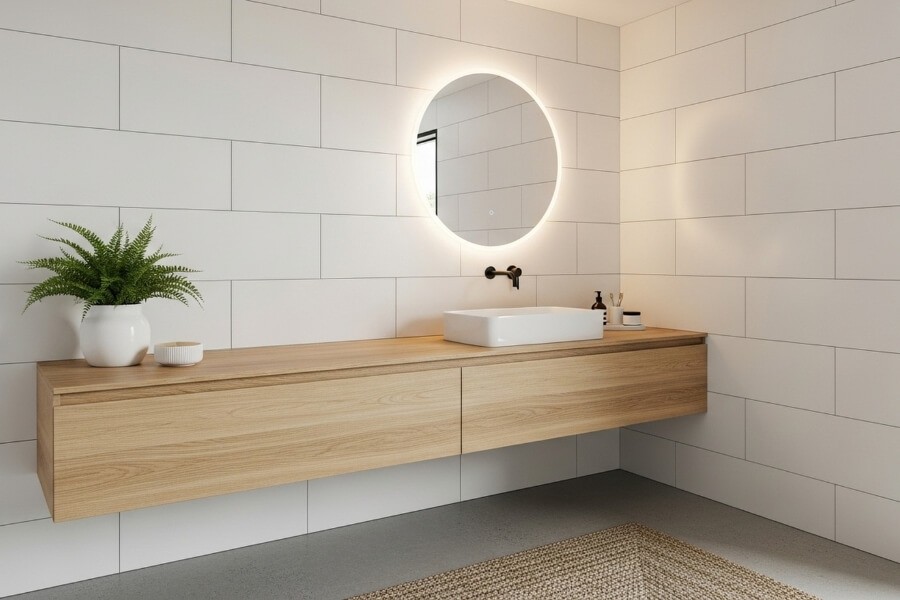
Smart mirrors in 2026 will automatically adjust brightness and color temperature based on the time of day and the user’s preferences. OLED technology allows for better control of the lighting experience, offering a superior visual experience with high contrast and accurate color reproduction.
2. Smart Anti-Fog and Memory System
Say goodbye to foggy mirrors after a hot shower. In 2026, smart mirrors will use humidity sensors to activate the anti-fog function automatically, and even remember your preferred settings for different times of day.
3. Integrated Interactive Display System
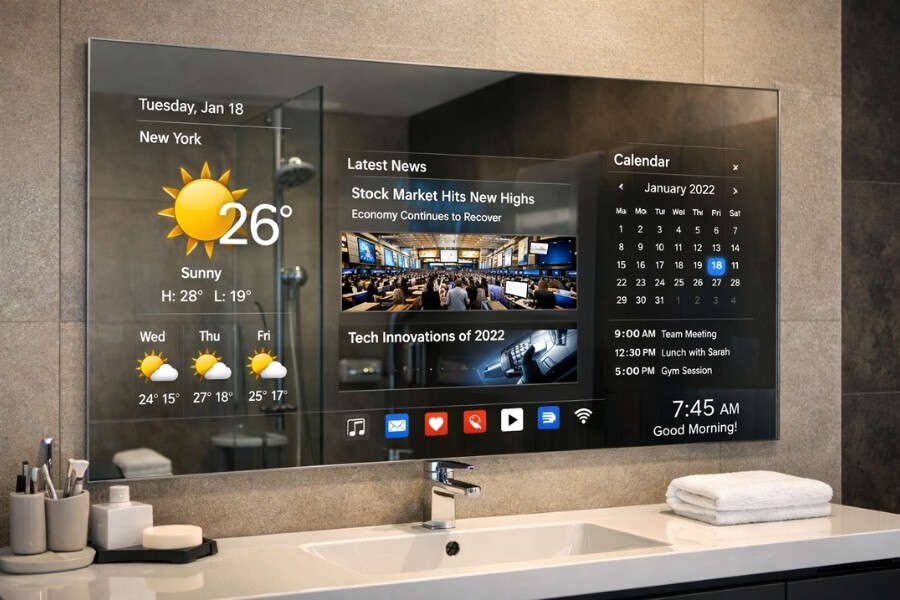
OLED mirrors will offer interactive displays that show real-time information like weather, news, and calendar updates. The transparency of OLED technology will allow users to interact with the display while still seeing their reflection clearly. This makes the mirror an essential tool for home and business spaces alike.
Application: The Sanxingdui Museum has already integrated interactive transparent OLED displays to combine digital content with archaeological exhibits. Similarly, in smart bathrooms, OLED technology can create interactive mirrors that not only serve as functional bathroom tools but also provide information and entertainment, merging form and function in a new way.
4. Touchless Control Technology
In a post-pandemic world, touchless technology is a must-have for hygiene. Smart mirrors in 2026 will support voice and gesture controls, allowing users to interact with the mirror without physically touching it.
5. Customizable Design and Integration
Smart mirrors will offer more customization than ever. With adjustable sizes, shapes, and designs, these mirrors will fit seamlessly into any bathroom space, whether for residential or commercial use.
How OLED Technology is Revolutionizing Bathroom Mirrors
OLED technology is at the forefront of this transformation, offering several key advantages for smart mirrors:
- Transparency and Flexibility: OLED screens are transparent, which means they can blend seamlessly into the bathroom space without taking up valuable space. The flexibility of OLED also allows for the creation of mirror surfaces that can display content while still functioning as a mirror.
- Better Image Quality: OLED offers exceptional contrast, high brightness, and vibrant colors, making the mirror not only a functional item but a centerpiece of the bathroom.
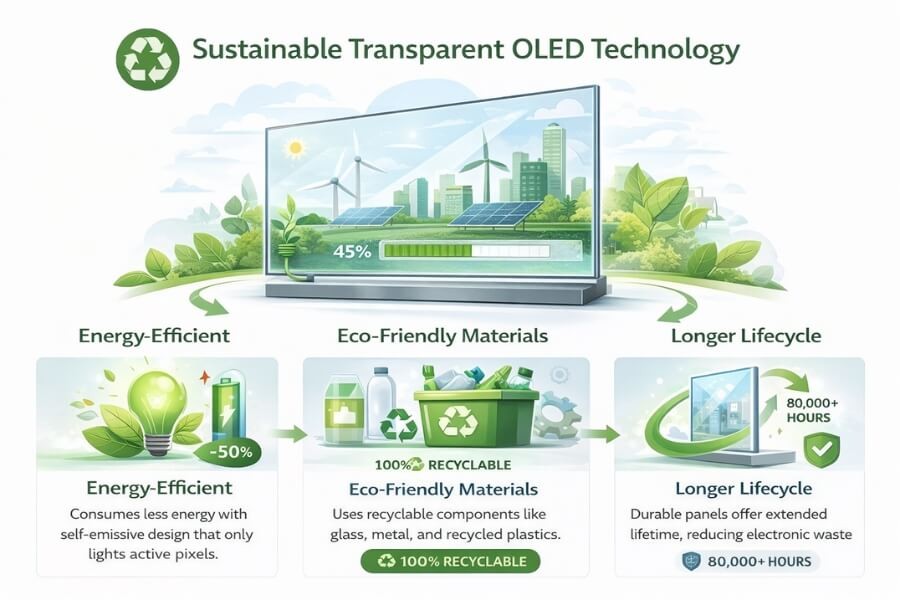
- Energy Efficiency: OLED screens are energy-efficient and sustainable, making them an ideal choice for eco-conscious consumers.
Application: RUSINDISPLAY has already showcased how transparent OLED screens can be used in future home environments, such as information hubs in living rooms or interactive panels in home offices. In a similar way, transparent OLED technology can seamlessly integrate into bathrooms, creating both a functional and visually appealing experience.
Smart Mirrors in Action: Practical Applications for Homes and Businesses
Residential Spaces
Smart mirrors in homes will offer a range of benefits:
- Morning Routine: Check the weather, view your calendar, or listen to the news while getting ready.
- Night Mode: Use the mirror as a soft nightlight, displaying time and temperature.
- Skincare and Makeup: Activate special lighting modes for makeup application, or get personalized skincare recommendations based on skin analysis.
Commercial and Hotel Spaces
In hotels, OLED mirrors can display guest information, local recommendations, and service menus. In high-end commercial spaces, these mirrors can serve as dual-purpose devices for both dynamic branding and artistic content.
Application: In high-end retail spaces, transparent OLED displays are already used to transform storefronts and brand showcases. These mirrors can provide dynamic content in a bathroom setting, whether displaying personalized greetings for hotel guests or serving as an interactive art installation in a commercial space.
Health and Wellness Integration
Smart mirrors can connect with other health devices, such as smart scales or fitness trackers, to display health data, track progress, and provide tailored wellness tips.
Smart Bathroom Trends to Watch for in 2026
Transparency and Flexibility in Display Technology
OLED’s transparent capabilities will allow it to be used in a variety of settings, including mirrors, glass partitions, and even cabinet doors, creating a "display-as-space" concept. This trend will revolutionize bathroom designs by offering an entirely new way of integrating technology with space.

AI and Sensor Integration
Smart mirrors will be able to use AI and sensors to understand user needs, from detecting skin conditions to adjusting lighting based on facial expressions or moods. These smart features will further personalize the bathroom experience.
Sustainable Design as Standard
As environmental concerns grow, energy-efficient OLED screens and eco-friendly materials will become standard for high-end smart bathroom products, offering both functionality and sustainability.
Enhanced Privacy and Security Features
Smart bathrooms will focus on data protection and privacy. Localized data processing, camera coverings, and encrypted communications will become integral to ensuring user privacy.
Choosing the Perfect Smart Mirror for Your Space
When choosing a smart bathroom mirror, consider these factors:
- Display Technology: Choose OLED for superior brightness, contrast, and transparency.
- Functionality: Pick mirrors that offer the features you need, such as anti-fog, smart lighting, and interactive displays.
- Integration: Make sure your mirror integrates smoothly with existing smart home systems.
- Customization: Find suppliers who offer OEM/ODM options for custom sizes and features.
- Energy Efficiency: Look for high energy-efficiency ratings and certifications.
- User Experience: Evaluate ease of use, responsiveness, and voice control accuracy.
Conclusion: Smart Bathroom Mirrors—The New Interactive Gateway to Modern Living
By 2026, smart bathroom mirrors will be an essential part of the modern home, offering a blend of functionality, technology, and aesthetic appeal. OLED technology is leading the way by providing stunning visuals, interactive features, and energy-efficient solutions that make the bathroom experience more enjoyable and efficient.
As the cost of transparent OLED technology continues to drop and its applications grow, companies like RUSINDISPLAY are at the forefront of providing high-end, customized solutions. From interactive mirrors to seamless integration with home automation systems, RUSINDISPLAY delivers the future of bathroom technology, today.
With RUSINDISPLAY’s innovative solutions, both businesses and homeowners can create smart bathroom experiences that are visually striking, highly functional, and perfectly tailored to their needs.
FAQ
Q1: Can smart bathroom mirrors connect to Wi-Fi or Bluetooth?
Yes, many smart mirrors support Wi-Fi and Bluetooth, enabling integration with other smart home devices. Some models also allow pairing with Bluetooth speakers for music, enhancing the user experience.
Q2: How do OLED mirrors differ from traditional LED mirrors?
OLED mirrors offer better contrast, color accuracy, and transparency compared to traditional LED mirrors. OLED screens do not require a backlight, providing more design flexibility and superior visual performance.
Q3: Are smart bathroom mirrors easy to install?
Most smart mirrors come with wall-mounting hardware and can be installed by an electrician. However, some models with built-in displays or voice control may require specific power configurations for installation.
Q4: How long do OLED smart mirrors last?
OLED mirrors are highly durable, with an average lifespan of around 50,000 hours. Quality models come with warranties ranging from 1 to 3 years, covering issues like defogging and smart controls.
Q5: Can OLED mirrors be used in high-humidity environments like bathrooms?
Yes, OLED mirrors are ideal for bathrooms as they resist moisture and fog. Many models feature anti-fog systems that ensure a clear reflection, even in steamy environments.
Q6: What are the advantages of transparent OLED technology in bathroom mirrors?
Transparent OLED mirrors allow seamless integration of display and reflection. They offer high transparency, enabling users to view real-time information like weather and news, while still seeing a clear reflection—perfect for high-end spaces.
Q7: Are there any privacy concerns with smart mirrors?
Privacy is a priority in smart mirrors. Many models feature local data processing to protect sensitive information, and some include camera covers and encrypted communication to enhance user security.