




Why Small LCD Display Modules Are Still Essential in Compact Devices
As electronic products continue to become smaller, lighter, and more integrated, the display interface must evolve accordingly. In many portable and embedded systems, space and power are limited, yet information still needs to be delivered clearly and reliably.
This is where a small LCD display module plays a critical role. Rather than focusing on visual effects, these modules prioritize readability, stability, and low power consumption. They serve as the primary communication window between the device and the user in applications where efficiency matters more than aesthetics.
What a Small LCD Display Module Is and Why It’s Used
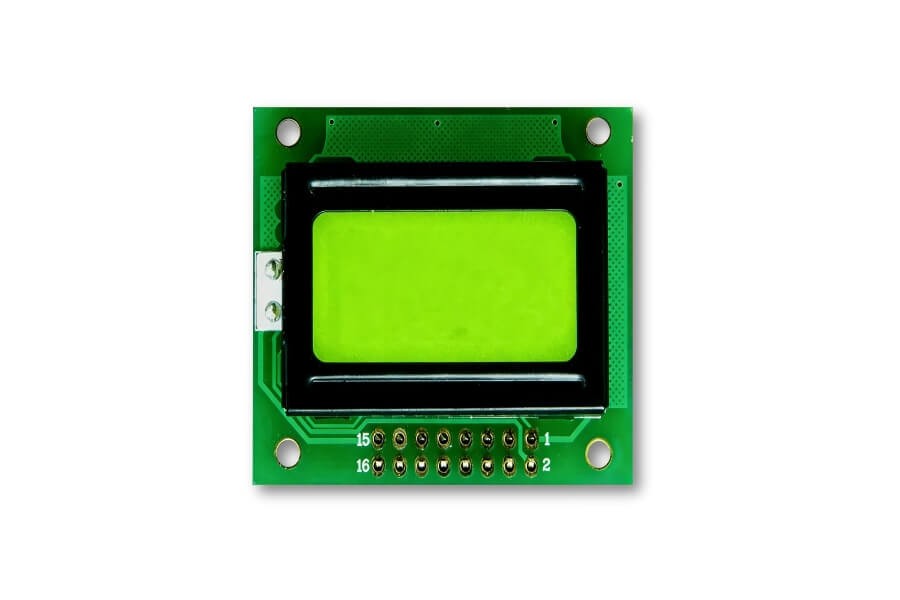
A small LCD display module is a fully integrated unit that combines several functional components into a compact form.
It typically includes:
- An LCD panel for image generation
- A driver IC to control pixel behavior
- A controller to manage data processing
- An electrical interface such as I2C, SPI, or parallel
- An optional LED backlight for low-light visibility
The key advantage of using a module rather than a bare panel is integration simplicity. Designers can focus on system functionality instead of low-level display control.
In industry terms, “small” does not refer to size alone. It also reflects information density, power constraints, and how easily the display can be integrated into compact systems.
Common Types of Small LCD Display Modules
Different applications require different display behaviors. Small LCD modules are generally categorized by how information is presented rather than by physical size alone.
Segment LCD – Best for Fixed Numbers and Ultra-Low Power Use
Segment LCDs are designed to display predefined elements such as numbers, symbols, or simple icons. Their structure is highly efficient, making them ideal for long-term, battery-powered devices.
Because each segment is custom-defined, these displays achieve extremely low power consumption and long service life. However, customization increases tooling cost and usually comes with higher minimum order quantities.
Typical use cases include meters, scales, clocks, and simple status indicators where information rarely changes.
Character LCD – Simple Text Displays With Easy Integration
Character LCDs display letters, numbers, and punctuation using a built-in character set. They are widely used due to their mature ecosystem and standard controller support, such as HD44780-compatible designs.
Although an 8×1 character display may appear minimal, module dimensions can be optimized efficiently. In some cases, a 16×2 character module occupies less space than expected while providing more usable information.
These displays are commonly found in POS terminals, industrial controllers, and basic human-machine interfaces where text clarity is the priority.
Graphic LCD – Flexible Monochrome Displays for Custom Layouts
Graphic LCDs use a pixel-based structure, allowing free placement of text, symbols, and simple graphics. Most small graphic LCDs are monochrome, offering high contrast and consistent visibility.
This type strikes a balance between flexibility and cost. Compared to color displays, power consumption remains low, while layout freedom increases significantly.
Graphic LCDs are often used in portable medical devices, data collectors, and smart home control panels that require customized interfaces without color rendering.
Color TFT-LCD – When Compact Devices Need Rich User Interfaces
Color TFT-LCD modules support complex interfaces, images, animations, and video content. They are well suited for applications that require intuitive interaction and richer visual feedback.
Unlike other LCD types, TFT displays rely on continuous backlight operation, which directly affects power consumption. Custom TFT designs are costly and usually impractical for small production volumes.
For this reason, most projects achieve better cost and risk control by selecting from existing standard TFT sizes rather than pursuing full customization.
How to Choose the Right Small LCD Display Module
Selecting the right display module is a system-level decision. Several technical and environmental factors must be evaluated together.
Power Consumption and Backlight Control
The LCD panel itself consumes very little power. In most cases, the LED backlight accounts for the majority of energy usage.
For battery-powered devices, independent backlight control is essential. Turning the backlight on only when needed can significantly extend operating time.
Choosing the Right Interface for Your Controller
Interface selection affects both hardware design and software development.
- I2C minimizes pin usage and suits low-speed data transfer
- SPI offers faster refresh rates with moderate pin requirements
- Parallel interfaces support high data throughput at the cost of complexity
Driver availability and long-term software support should always be considered alongside electrical compatibility.
Environmental Conditions and Long-Term Reliability
Operating conditions directly influence display performance and lifespan.
Industrial or outdoor environments often require:
- Wide operating temperature ranges
- Stable contrast under varying light conditions
- Resistance to vibration and dust
For outdoor readability, higher brightness or transflective LCD structures improve visibility under direct sunlight.
Standard Modules vs Custom LCD Designs
Custom LCD modules offer design freedom but introduce higher cost, longer lead times, and supply chain risk.
Standard modules reduce development time and simplify certification. In most cases, starting from a standard platform and making minimal adjustments delivers better overall project stability.
Where Small LCD Display Modules Are Commonly Used
Small LCD display modules are widely used across industries where compact design and dependable information display are essential.
Common applications include:
- Portable medical monitoring equipment
- Industrial handheld instruments
- Smart home terminals
- Payment and POS systems
- Wearable and compact electronic devices
In these scenarios, the display must remain readable, responsive, and reliable throughout the product’s service life.
Current Trends in Small LCD Display Modules
Small LCD technology continues to evolve in practical ways.
Current trends focus on:
- Lower power driver ICs
- Higher resolution within smaller active areas
- Improved optical performance and viewing angles
- Better sunlight readability without excessive power increase
- Longer product life cycles for industrial applications
These developments aim to improve usability without compromising stability.
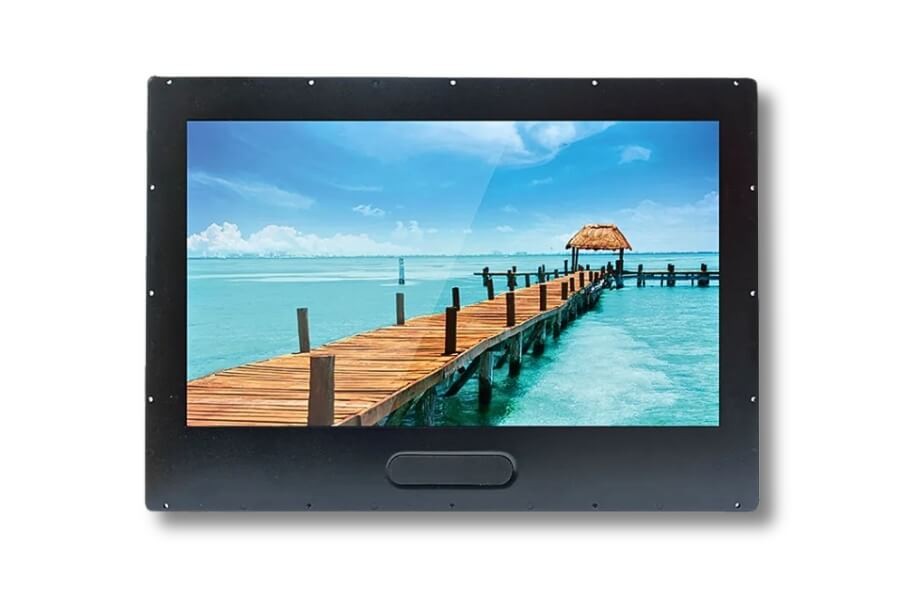
Beyond Small LCD Modules – When Larger or More Advanced Displays Make Sense
Small LCD display modules are optimized for compact information delivery. However, some projects require visual solutions that extend beyond device-level interaction.
In large commercial spaces or exhibition environments, advanced display technologies such as transparent OLED systems or large-format displays address entirely different goals. While the applications differ, both rely on a deep understanding of display behavior, optical performance, and system integration.
Final Thoughts on Selecting a Small LCD Display Module
Choosing a small LCD display module is a balance decision. Display type should match information complexity, while power, environment, and integration constraints guide the final selection.
Segment and character LCDs remain ideal for fixed or text-based information. Graphic LCDs add layout flexibility, and color TFT modules support advanced interaction when power budgets allow. In most cases, standard solutions offer the best balance of cost, reliability, and development speed.
FAQ
Q1: What is an LCD display module?
An LCD display module is a fully integrated unit that combines the LCD panel, driver IC, controller, interface circuitry, and an optional backlight. By packaging these components together, the module simplifies system integration, reduces development complexity, and improves reliability in embedded and compact electronic devices.
Q2: What is the difference between character and graphic LCDs?
Character LCDs display predefined letters and numbers using built-in character sets, making them simple and cost-effective to program. Graphic LCDs control individual pixels, allowing custom layouts, icons, and graphics. Graphic LCDs offer greater flexibility and are better suited for applications requiring customized user interfaces.
Q3: How can sunlight readability be improved for small LCD displays?
Sunlight readability can be improved by using higher-brightness LED backlights, transflective LCD structures that utilize ambient light, and anti-glare surface treatments. These approaches help maintain contrast and visibility in outdoor or high-ambient-light environments without significantly increasing power consumption.
Q4: How should I choose between I2C and SPI interfaces?
I2C interfaces use fewer pins and are suitable for low-speed data transfer and simple displays. SPI interfaces provide faster refresh rates and are better for graphic LCDs that require frequent screen updates. The choice depends on controller resources, display complexity, and required refresh performance.
Q5: How long does custom LCD module development usually take?
Custom LCD module development typically takes 15 to 30 working days, depending on tooling requirements, bonding methods, and design complexity. While customization offers better mechanical and visual integration, standard LCD modules are often recommended first to reduce lead time, cost, and overall project risk.
RUSINDISPLAY provides professional OLED, Transparent Display, and Indoor LCD solutions designed to support a wide range of commercial and industrial display requirements. Our systems focus on stable performance, long-term reliability, and practical integration, supported by experience across more than 120 global brands. From compact LCD applications to advanced transparent and large-format displays, we help project teams balance visual performance with engineering feasibility. With in-house 3D scene development and system-level support, RUSINDISPLAY delivers display solutions that integrate smoothly into real-world environments and remain dependable throughout their service life.