




Introduction: A Display Technology That Redefines Interaction
Touch T-OLED brings together the visual strengths of OLED with the direct, intuitive control of capacitive touch technology. This fusion creates a display that is thin, flexible, transparent, and highly responsive. It also raises one key question for system designers and commercial planners—where to use touch t-oled to achieve the greatest value.
This guide explains how Touch T-OLED works, why it stands out, and where it delivers meaningful advantages across commercial, automotive, and professional environments.
The Core of Touch T-OLED Technology: What Makes It Different
OLED as the Visual Foundation
OLED pixels generate their own light. Each pixel turns on or off independently. This structure provides:
- True black levels
- High contrast
- Wide viewing angles
- Fast response times with minimal motion blur
The absence of a backlight also reduces thickness and supports flexible or curved designs.
Integration of Touch Technology
Modern Touch T-OLED panels typically use capacitive touch layers made from transparent materials such as ITO or graphene. These layers detect finger position changes across the surface.
The benefits include:
- High touch precision
- Multi-touch capability
- Smooth gesture control
How It Differs From TFT-LCD Touch Panels
- OLED is self-emissive while TFT-LCD depends on a backlight
- OLED is thinner and more flexible
- Black levels and contrast are significantly higher
- Design freedom increases because there is no rigid optical stack behind the panel
These differences explain why Touch T-OLED performs well where image quality, form factor, or visual integration matters most.
Key Advantages of Touch T-OLED
| Advantage Area | Practical Impact |
|---|---|
| Visual Performance | High contrast, vivid color, wide viewing angles, fast response |
| Energy Behavior | Pixel-level light control, lower power consumption with darker interfaces |
| Design Flexibility | Ultra-thin, bendable, transparent, adaptable to curved or irregular surfaces |
| Touch Integration | High-sensitivity touch layer with accurate, fluid interaction |
These characteristics enable more seamless and immersive user experiences in both consumer and commercial environments.
Where Touch T-OLED Is Used: Core Application Fields
1. Consumer Electronics
Smartphones and Tablets
Touch T-OLED is widely used in flagship devices, delivering deep contrast, fast imaging, and elegant full-screen designs. Its thin profile is essential for curved edges and foldable formats.
Wearable Devices
Smartwatches and fitness trackers leverage the light weight and small bending radius of OLED. The display conforms to compact or curved housings while retaining touch accuracy.
2. Automotive Electronics
Digital Cockpit Systems
Touch T-OLED enhances:
- Instrument clusters
- Center information displays
- Passenger entertainment panels
The wide viewing angles help ensure clarity for both drivers and passengers. High contrast maintains readability in bright sunlight and nighttime driving.
Future Direction: Transparent HUD
Transparent Touch T-OLED can serve as a next-generation heads-up display, projecting navigation or vehicle status on the windshield while maintaining unobstructed visibility.
3. Commercial and Professional Displays
Premium Digital Signage
In hotels, retail stores, museums, and corporate lobbies, Touch T-OLED supports:
- Brand storytelling
- Interactive product information
- Minimalist interior design with high display quality
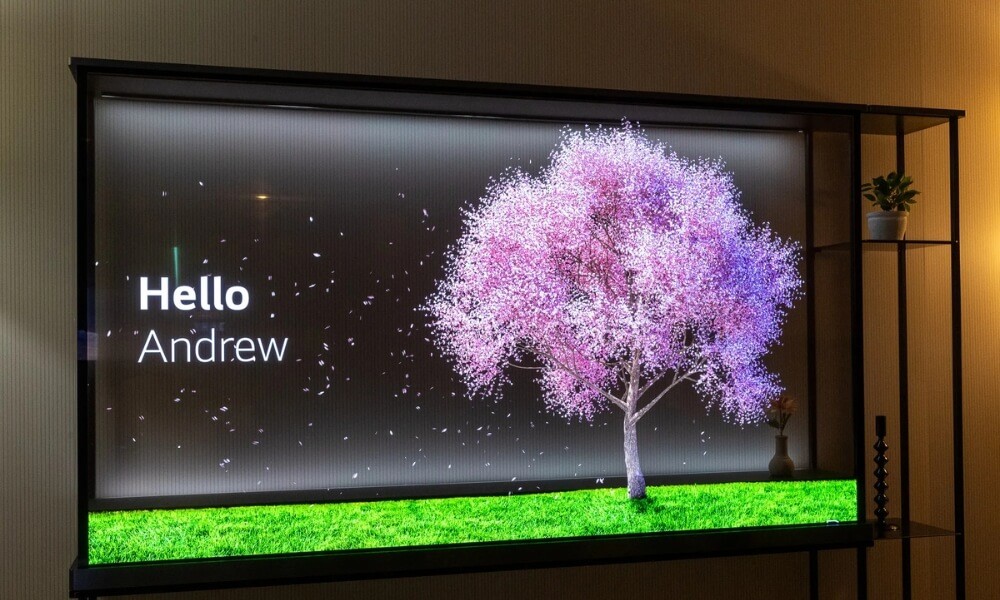
Transparent Interactive Installations
Transparent Touch OLED panels enable:
- Interactive shop windows
- Transparent showcase displays
- Exhibition content layered over real objects
The display is transparent when inactive, blending naturally with architectural surfaces. When active, it delivers sharp content for user interaction.
Medical Devices
Professional healthcare equipment benefits from OLED color accuracy and detail reproduction. Touch T-OLED is used in:
- Portable diagnostic devices
- Surgical displays
- Patient monitoring interfaces
Clear visualization supports clinical precision.
Challenges and Industry Solutions
Burn-In Behavior
Static elements can age unevenly. Manufacturers reduce this through:
- Pixel shifting
- Content compensation algorithms
- Improved organic materials
Durability and Lifespan
OLED materials are sensitive to oxygen and moisture. Thin-film encapsulation techniques now provide strong protection layers to enhance longevity.
Cost Considerations
Production complexity leads to higher initial costs. As manufacturing scales and materials evolve, pricing continues to decrease.
Future Trends and Innovation Frontiers
Shape Innovation
Foldable and rollable displays will expand from smartphones into tablets, laptops, and industrial tools.
Transparent Display Growth
Transparent Touch T-OLED will appear more widely in:
- Smart home interfaces
- Automotive HUDs
- Retail product shelves
- Architectural displays
Technology Convergence
OLED combined with Micro-LED or other advanced emitters may improve brightness, lifespan, and power efficiency.
Expanded Industry Penetration
Touch T-OLED is expected to move deeper into industrial control, smart home control panels, and emerging mixed-reality applications.
Frequently Asked Questions
1. What are the main strengths of Touch T-OLED?
High image quality, true black performance, thin and flexible construction, and responsive touch integration.
2. What is its biggest drawback?
Burn-in risk and higher cost. Modern algorithms and encapsulation techniques help limit these issues.
3. How does Touch T-OLED perform under sunlight?
Its peak brightness is improving, but very bright outdoor environments may still favor high-brightness TFT-LCD. Transparent OLED visibility varies by background conditions.
4. What is a transparent Touch T-OLED used for?
Interactive shop windows, museum display cases, automotive HUD systems, and smart home glass interfaces.
5. Is Touch T-OLED suitable for 24-7 industrial use?
For continuous static UI content, industrial TFT-LCD remains more stable due to burn-in resistance. Touch T-OLED is better for dynamic interfaces.
Why Rusin?
RUSINDISPLAY delivers professional OLED and Transparent Display solutions with reliable performance and modern design flexibility. Our systems help brands and integrators create engaging visual installations while supporting stable operation, efficient integration, and long-term technical service. Through AI-assisted interaction and refined engineering, we provide display solutions that connect innovation with real-world commercial environments.