




How It Works and Where It Is Used
Transparent OLED technology introduces a display format that blends digital content with real environments. The panel remains clear when inactive and shows high-contrast imagery when pixels emit light. Understanding how transparent OLED technology works helps project teams evaluate installation needs, visual effects, and long-term performance.
What a Transparent OLED Display Is
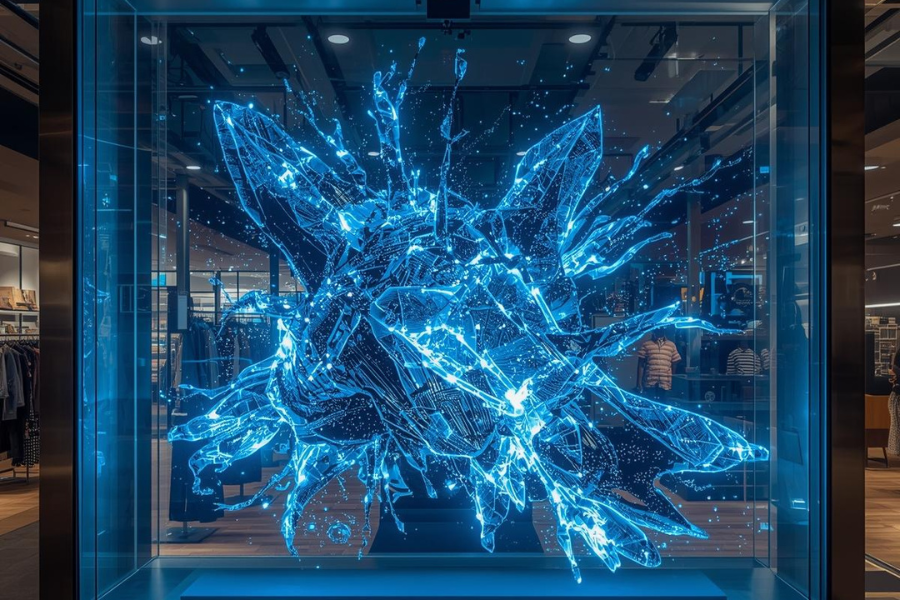
A Transparent OLED or TOLED uses the same self-emissive structure as standard OLED panels. Each pixel produces light without a backlight, which keeps the panel thin and lightweight. When pixels are inactive the display allows natural light to pass through and the surface appears similar to glass. When pixels illuminate only selected areas emit light and the surrounding spaces remain open, which creates a floating visual effect within the environment.
How a Transparent OLED Panel Is Built
A transparent OLED panel relies on a multilayer structure that supports light emission, visibility, and mechanical strength. Each layer has a specific role in maintaining transparency while generating accurate color and contrast.

Transparent Substrate Materials
Transparent OLED panels use tempered glass or flexible transparent films. These materials define whether the display remains rigid for architectural use or flexible for curved installations.
How the Transparent Anode Supports Light Transmission
Indium tin oxide provides conductivity while allowing light to move through the panel. This combination supports charge flow across the display and helps maintain overall transparency.
Organic Layers That Generate Light
The organic layers include the hole transport layer, the emissive layer, and the electron transport layer. Electrical current moves through these layers and produces light directly from each pixel which eliminates the need for a backlight.
How the Transparent Cathode Works
The transparent cathode uses thin metal films or conductive clear materials. It must support electrical performance while allowing emitted light to pass outward from the panel.
How Pixel Structure Affects Transparency
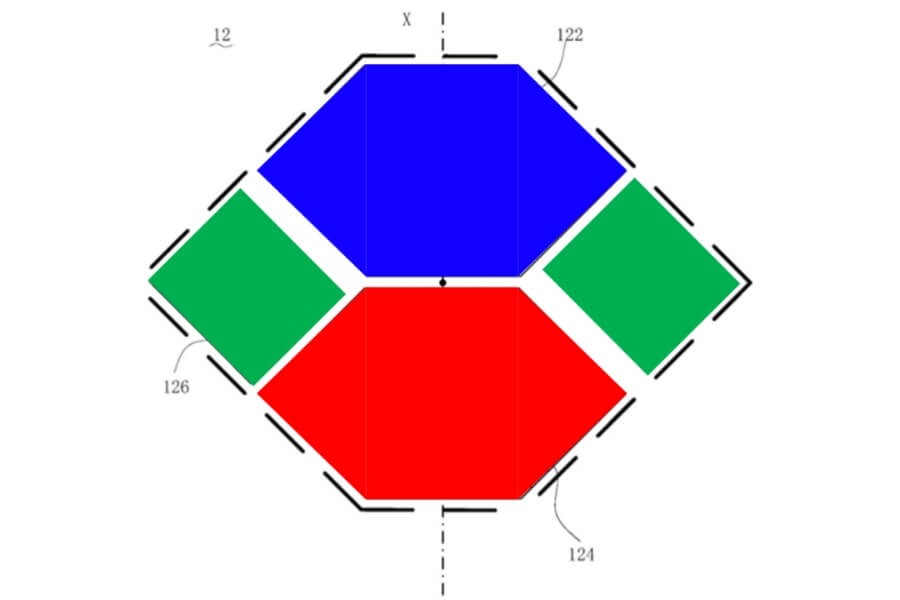
Each pixel contains red, green, blue, and white subpixels. The open area between these elements allows environmental light to pass through the panel. A tighter pixel layout increases resolution but reduces these open spaces which lowers overall transparency.
How Transparent OLED Technology Works in Real Environments
Transparent OLED panels remain clear when off and deliver visual content when pixels illuminate. Their optical behavior in real spaces helps determine how they should be installed and viewed.
Self-Emissive Light Production
Light forms inside the emissive layer when electrical current activates the material. This self-emissive design reduces weight and simplifies the panel structure.
Why the Panel Stays Clear When Off
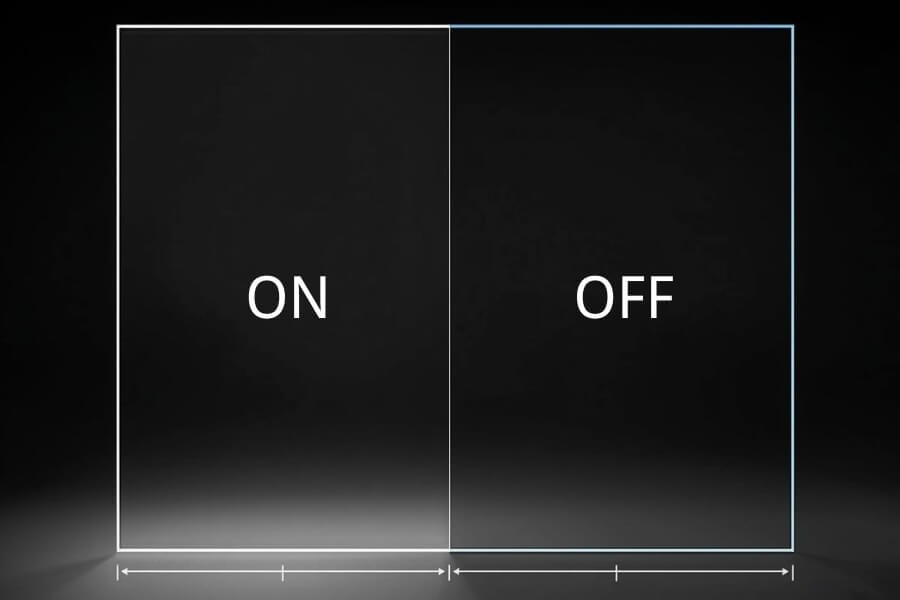
Both the substrate and electrodes transmit light from the surrounding environment. When pixels are inactive the panel acts as a transparent surface that maintains visibility through the display.
Two-Sided Viewing
The transparent electrodes allow light to travel outward in both directions. Viewers on either side of the panel can see imagery along with the background behind it which supports installations in open spaces or glass partitions.
Key Advantages of Transparent OLED Displays
Transparent OLED displays provide several functional benefits that support retail, architecture, museums, and interactive environments.
High Transparency
Inactive pixels allow environmental light to pass through the panel. This supports applications on windows, showcases, and interior partitions where visibility is important.
Stable Contrast and Color Performance
Self-emissive pixels maintain strong contrast because they do not rely on a backlight. This helps the display produce consistent imagery in controlled indoor environments.
Energy Efficiency
Only the pixels that show content draw power which reduces overall energy use for dynamic visuals and interactive installations.
Thin and Lightweight Structure
The simplified layer stack creates a slim design that can be integrated into glass, enclosures, or curved surfaces without adding unnecessary bulk.
Fast Response Time
Transparent OLED pixels switch quickly which supports smooth motion and responsive interactions.
Technical Considerations for Transparent OLED Displays
Like all advanced display formats, transparent OLED panels require careful evaluation during system planning and installation.
Production Cost
Creating transparent electrodes and organic layers requires precise manufacturing. These steps raise production cost compared to traditional OLED panels.
Durability and Encapsulation
The organic materials must be protected from moisture and oxygen. Strong encapsulation ensures stable long-term performance in commercial settings.
Size Limitations
Large transparent OLED panels are more challenging to produce with uniform brightness and consistent transparency. This affects yield and availability for oversized formats.
Transparency and Resolution Balance
Higher resolution reduces open cell space and lowers overall transparency. Projects must balance clarity with the desired see-through effect.
Ambient Light Conditions
Bright ambient light can reduce perceived contrast because external light passes through the same viewing surface as the displayed content. Indoor environments with controlled lighting typically offer the best performance.
Where Transparent OLEDs Are Used Today
Transparent OLED technology is used in a wide range of commercial and cultural applications. These displays create layered viewing experiences that combine physical and digital elements.

Retail and Commercial Environments
Transparent OLED panels support storefronts, display counters, and product showcases. The panel allows customers to view the product behind the screen while digital content provides context or promotion.
Architectural and Interior Design
Smart windows, glass partitions, and interior surfaces use transparent OLED to present information while preserving natural lighting and open sightlines.
Automotive Interfaces
HUD elements and vehicle information panels use transparent OLED to present data without blocking forward visibility.
Museums and Cultural Exhibits
Transparent OLED panels can show labels, timelines, or animations over artifacts while keeping the viewing area unobstructed.
Medical and Clinical Settings
Transparent displays provide real-time information in surgical, monitoring, or diagnostic environments while maintaining visibility of equipment and staff.
Entertainment and Mixed Reality
Interactive installations, themed environments, and digital art experiences use transparent OLED surfaces to create blended physical and virtual scenes.
The Future of Transparent OLED Technology
Transparent OLED development continues to advance as new materials and processes improve performance and reduce cost.

Material Improvements
Next-generation transparent electrodes such as silver nanowires and graphene aim to improve durability and electrical performance.
Enhanced Manufacturing
More efficient encapsulation and streamlined processes will help extend product lifespan and increase production yield.
Larger and More Flexible Panels
Ongoing research focuses on improving uniformity for larger sizes and enabling more flexible shapes for architectural installations.
Integration With Interactive Systems
Transparent OLED can combine with sensors, AI platforms, and IoT systems to create adaptive environments and smart interfaces.
Consumer Adoption
As cost decreases and durability improves transparent OLED panels may enter consumer electronics such as mobile devices, tablets, and wearables.
FAQ About Transparent OLED Displays
Q1: How do transparent OLEDs work?
Transparent OLED panels use self-emissive organic layers and clear electrodes. When pixels are inactive the panel remains transparent and when pixels illuminate images appear over the background environment.
Q2: How does a transparent OLED differ from a standard OLED?
A standard OLED emits light through one transparent surface. A transparent OLED uses transparent electrodes on both sides which supports two-sided viewing and a see-through effect when inactive.
Q3: What determines the transparency of a transparent OLED?
Transparency depends on pixel density and subpixel arrangement. Higher resolution increases the area occupied by subpixels which reduces the open space that allows light to pass through.
Q4: Are transparent OLEDs bright enough for indoor or retail use?
Yes. Transparent OLED panels perform well in controlled indoor environments. High ambient light can reduce contrast so installation placement and viewing distance matter.
Q5: Are transparent OLED panels durable?
Transparent OLED panels require effective encapsulation to protect the organic materials from moisture and oxygen. With proper sealing they support stable operation in commercial environments.
Q6: What limits the size of transparent OLED panels?
Manufacturing alignment and uniformity become more difficult as panel size increases. These factors affect yield and limit the range of available sizes.
Q7: Can transparent OLEDs be flexible?
Yes. When built on flexible substrates transparent OLED panels can support curved or bent designs for creative retail, automotive, or architectural installations.
Q8: Where are transparent OLEDs used?
Transparent OLED panels appear in retail displays, smart windows, automotive HUD systems, museum exhibits, medical environments, and mixed-reality installations.
Q9: How does a transparent OLED differ from a transparent LED display?
Transparent OLED panels offer finer pixel density for close-range viewing. Transparent LED displays deliver higher brightness which suits long-distance or outdoor environments.
Q10: What are the limitations of transparent TVs?
Transparent TVs may show lower contrast in bright spaces and often come in limited sizes because of manufacturing constraints. They also cost more to produce than traditional OLED TVs.
Q11: Can you see through a transparent TV when it is off?
Yes. When pixels are inactive the panel allows ambient light to pass through and appears similar to clear glass.
Q12: How does a transparent OLED support two-sided viewing?
Transparent electrodes let the displayed image face both directions. Viewers can see content along with the surrounding environment from either side of the panel.
Conclusion
Transparent OLED technology creates a viewing experience that blends digital content with physical surroundings. Its self-emissive structure, transparent electrodes, and open pixel design support clear visibility and high-contrast imagery in modern retail, architecture, and interactive environments.
RUSINDISPLAY delivers professional OLED and Transparent Display solutions with rapid 3D scene creation, reliable performance, and support from more than one hundred twenty global brands. Our systems help businesses increase foot traffic and achieve steady ROI while receiving consistent technical guidance and seamless after-sales service. With AI-driven interaction and a Tech in Nature design approach we build visual systems that connect innovation with contemporary commercial environments.