




In today’s digital-first world, a brand’s visual identity is far more than just a logo. It’s a dynamic, multi-dimensional system that spans every touchpoint where a customer interacts with the brand. This article explores the core elements of brand visual identity and delves into how advanced display technologies like Transparent OLED can empower brand storytelling and create immersive brand experiences.
The Key Elements That Make Up Your Brand’s Visual Identity
A strong and consistent visual identity is the foundation of a brand’s equity. It’s composed of several interconnected elements:
Logo and Symbol System
- Spot On: A logo is the core visual summary of a brand. A great design should be simple and easy to recognize while reflecting the brand’s core values. Studies show that consumers need 5-7 impressions to recognize a logo. A good logo should avoid complexity and quickly adapt to changing trends.
- Example: Airbnb’s logo, "Belo," is simple and meaningful, symbolizing unity and the feeling of home, perfectly aligning with the brand’s mission.
Strategic Color Palette
- Spot On: Colors play a big role in evoking emotions and can increase brand recognition by up to 80%. A successful color palette includes primary, secondary, and accent colors that reflect the brand’s personality (e.g., blue for trust, orange for energy, pink for friendliness).
- Example: Instacart uses orange to create a vibrant, fresh feeling that stands out from the crowd.
Exclusive Typography and Layout
- Spot On: Typography is the visual voice of a brand. The fonts and their arrangement should reflect the brand’s personality. Consistency in how text is presented across platforms builds professionalism and readability.
- Example: Spotify uses round, clean fonts like Circular to convey its fun and innovative brand image.
Dynamic Imagery and Visual Language
- Spot On: Rather than relying on stock photos, brands should use high-quality, original images that consistently tell their brand story. These images should connect with the audience on an emotional level.
- Example: Dropbox uses fun and simple illustrations to make its tech feel friendly and approachable, connecting with users in a unique way.
Integrated Brand Experience
- Spot On: Visual identity must be consistent across both physical and digital touchpoints: Digital Touchpoints: Websites, apps, and social media should have a cohesive design that offers users a seamless experience. Physical Touchpoints: Product packaging, store design, and marketing materials are tangible extensions of the brand, creating a memorable experience for customers.
How Digital Displays are Revolutionizing Brand Identity
In commercial spaces and brand experience environments, static displays no longer capture attention. Advanced display technologies like OLED, especially Transparent OLED, are redefining how brands communicate with consumers.
The Power of OLED Technology
- Exceptional Image Quality: OLEDs provide vibrant colors and deep blacks, ensuring brand visuals stand out clearly and crisply. This helps logos, product images, and colors pop, creating a strong visual impact.
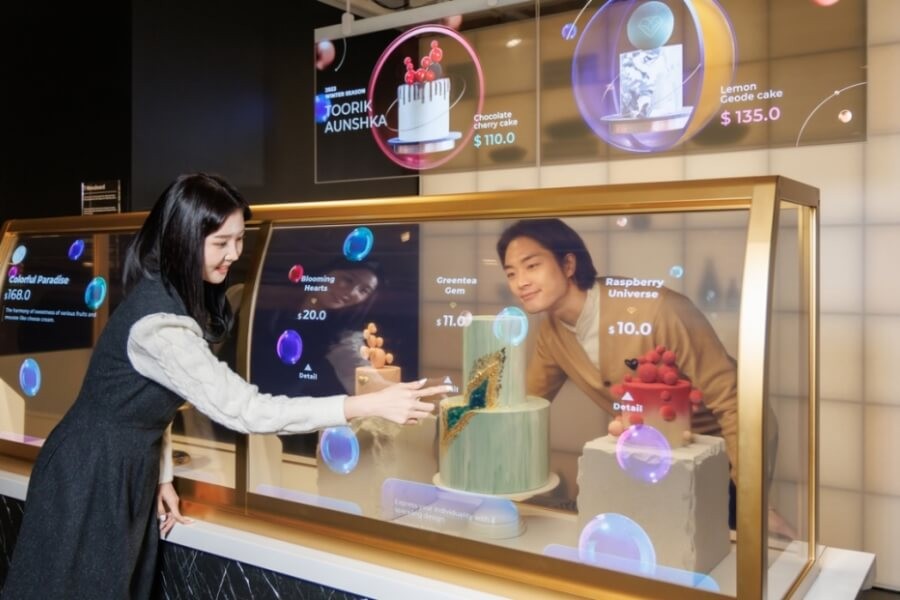
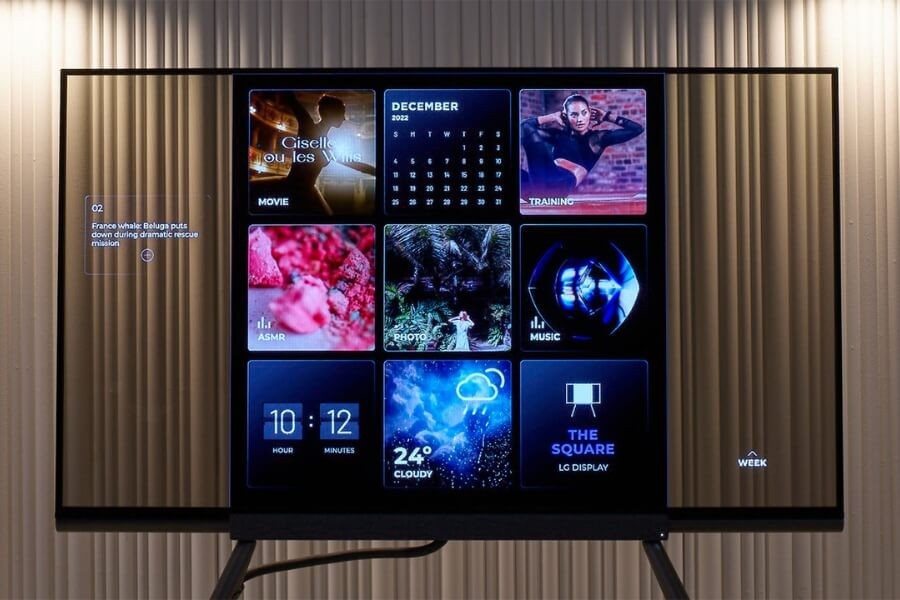
- Transparency: Transparent OLED screens allow content to be displayed while still showing what’s behind the screen. This opens up new possibilities for integrating brand content into physical spaces, blending digital and real-world elements.
- Design Flexibility: OLEDs are thin, lightweight, and flexible, allowing them to be integrated into spaces in ways traditional screens can't. Whether in storefront windows, counters, or even unusual shapes, OLEDs can enhance the environment rather than disrupt it.
How Transparent OLED Transforms Brand Experiences
RUSINDISPLAY specializes in creating customized Transparent OLED solutions that elevate brand experiences in retail, exhibitions, and commercial spaces.
Retail Environments:
- Smart Window Displays: Transparent OLEDs can turn storefront windows into interactive, 24/7 advertising platforms. By day, they showcase dynamic brand content to attract foot traffic, while at night, they become stunning light art installations. For example, RUSINDISPLAY designed a Transparent OLED window for a fashion brand, allowing customers to watch a fashion show while still seeing the products inside. This dual function enhances brand engagement and visibility.
- Immersive Product Displays: By embedding Transparent OLEDs into product showcases, brands can display product details, features, and artistic content alongside physical products. This makes the shopping experience more engaging and informative, helping to boost sales.
Corporate Brand Halls and Exhibitions:
- Time-Tunnel and Data Visualization: Transparent OLED video walls can visually display brand history, key milestones, or complex data in an interactive, engaging manner. This creates a futuristic and informative experience for visitors.
- Creative Dividers and Interactive Installations: OLEDs can serve as space dividers that also show brand content while maintaining openness. Integrated with AI and sensors, these installations can encourage visitors to interact, creating a memorable experience.
The Future of Brand Identity: Combining AI and Digital Displays for Unmatched Customer Experiences
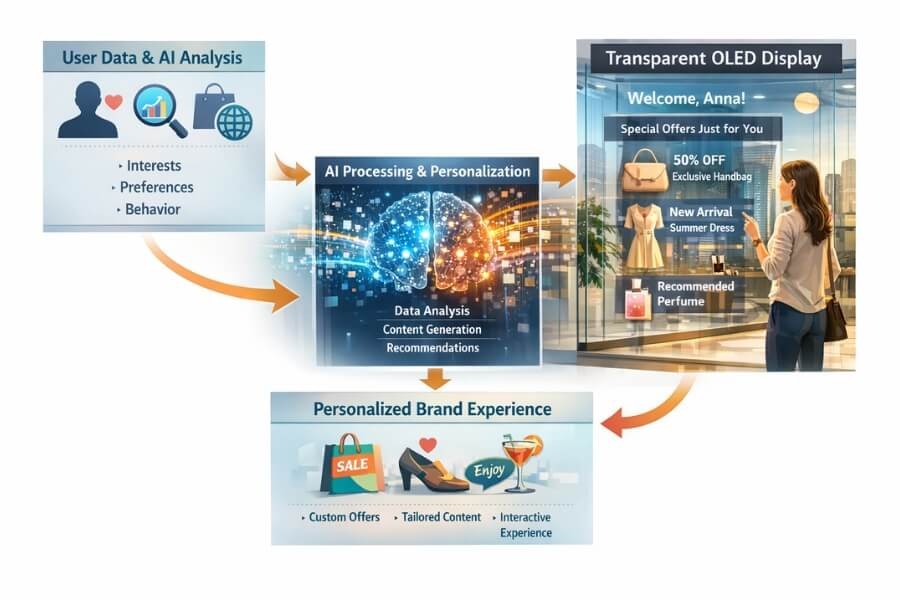
The future of brand visual identity is “dynamic and intelligent.” Display technologies will integrate with artificial intelligence (AI) to evolve the experience from “standardized presentation” to “personalized dialogue.”
Trend Insight:
Future brand spaces will use AI to recognize audience traits (like age or gender) and show tailored brand content that aligns with these traits (e.g., recommending products or telling personalized brand stories). RUSINDISPLAY’s intelligent interactive solutions combine AI-driven content with Transparent OLED displays, enabling brands to connect with customers in real time and offer a unique experience to each individual.
Conclusion: Why Investing in Transparent OLED is Key to Elevating Your Brand Experience
For retailers, brand owners, advertising agencies, and space designers aiming to enhance brand identity, attract high-end customers, and create exceptional offline experiences, integrating a strategic brand visual identity system with advanced technologies like Transparent OLED is no longer optional—it’s key to building a competitive edge.
This integration means:
- Transforming every display into a high-impact brand narrative.
- Providing dynamic and interactive experiences that rival the digital world.
- Establishing your brand as a leader in innovation and consumer engagement.
By placing thoughtfully crafted brand assets onto revolutionary platforms like Transparent OLED, brands can tell stories more vividly, create truly immersive experiences, and build deep, lasting emotional connections with their customers.
RUSINDISPLAY provides customizable Transparent OLED display solutions designed to transform brand visual identity systems. Our systems deliver exceptional performance and seamless integration with AI-driven interactions, helping brands across industries to create memorable and engaging experiences for their customers.
FAQ
Q1: What exactly is brand visual identity, and why is it important?
Brand visual identity includes elements like logos, colors, typography, and imagery that represent a brand. It plays a vital role in making a brand recognizable, connecting with customers, and consistently conveying the brand’s values across all interactions.
Q2: How do Transparent OLED displays enhance brand identity and customer experience?
Transparent OLED displays offer dynamic, interactive content while maintaining transparency. By integrating into physical spaces like storefronts or exhibitions, they help enhance brand visibility and engage customers in new, immersive ways, creating a stronger connection with the brand.
Q3: What are the benefits of using Transparent OLED displays in retail environments?
Transparent OLED displays provide vibrant visuals with deep contrast, perfect for transforming retail windows into interactive displays. They allow brands to showcase products and digital content simultaneously, creating a more engaging experience and drawing in more customers.
Q4: Are Transparent OLED displays energy-efficient?
Yes, Transparent OLED displays are energy-efficient. Each pixel emits its own light, and black pixels consume no power. This feature reduces energy usage, making OLED displays a sustainable choice for both commercial and residential applications.
Q5: How can AI be integrated with Transparent OLED displays for personalized brand experiences?
AI can enhance Transparent OLED displays by adjusting content based on audience demographics or behavior, such as age, gender, or time spent viewing. This creates a personalized experience by recommending products or showcasing relevant brand stories, improving customer engagement.