




Transparent OLED brings digital content and physical products into the same view. In luxury retail, it can introduce a collection, explain craftsmanship, or add movement to a display while keeping the merchandise and surrounding space visible.
The right setup depends on what the store wants to show. Modular displays can fit into window and fashion installations, desktop screens can complement product counters, and video walls can create larger presentations in shopping malls. Content, lighting, and installation work together to shape the result.
Luxury Storefront Displays
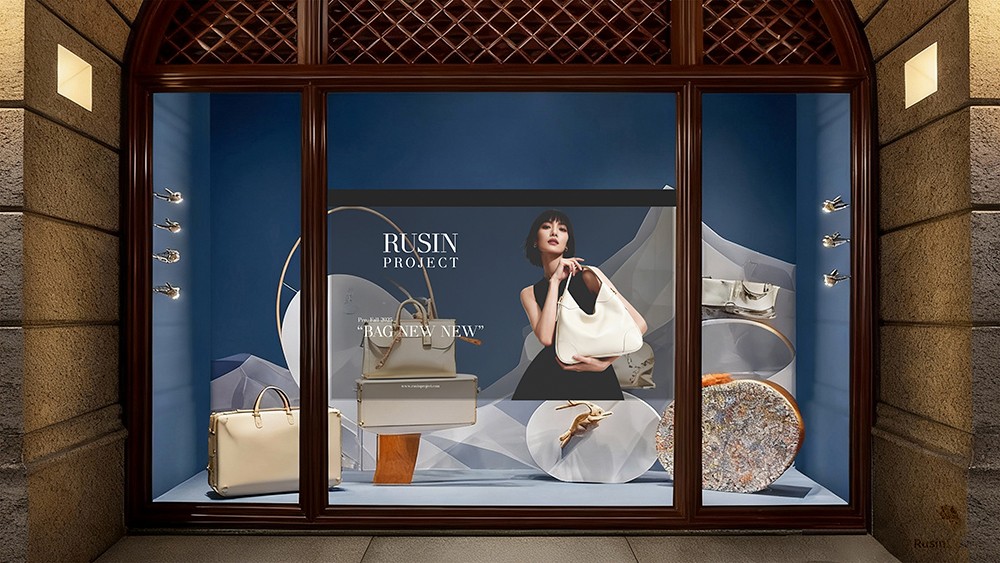
A luxury window needs to attract attention while giving shoppers a clear view of the products. Transparent OLED adds seasonal graphics, collection names, and brand films in front of the merchandise, allowing digital content to become part of the window composition.
The Custom Modular Series can be matched to the display layout or integrated into a purpose-designed structure. The setup requires suitable mounting, concealed power and signal cabling, and a playback system. Lighting and reflections should be assessed at the actual location, particularly for street-facing windows.
Content can move around the products, introduce a new collection, or alternate between animation and quieter display moments. Leaving open areas in the graphics helps keep the merchandise visible.
Premium Watch & Jewelry Counters
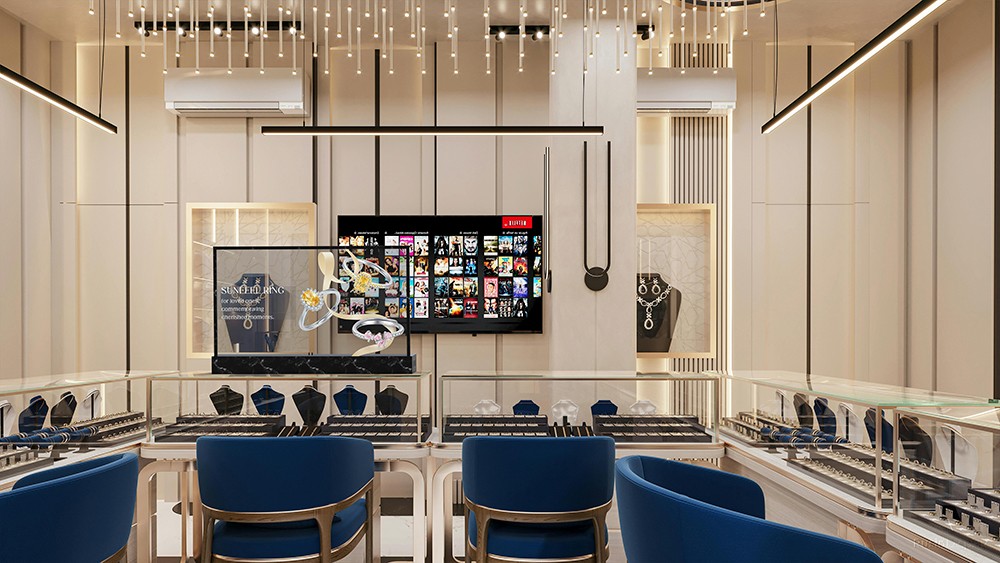
Watches and jewelry offer details that are difficult to explain with a small printed label. A desktop transparent OLED display can show movement animations, material information, or craftsmanship sequences beside the real pieces, giving shoppers more context as they examine the collection.
The Desktop Series suits countertop presentations where the screen needs to sit naturally within the sales area. A media player supports video and image playback, while product lighting and screen placement help keep both the content and merchandise easy to see.
For customer-led browsing, an optional touch interface and interactive software can provide selectable product information. Sales associates can also use the display during a conversation, introducing a particular mechanism or design detail without replacing the experience of viewing the actual piece.
Luxury Automotive Showrooms
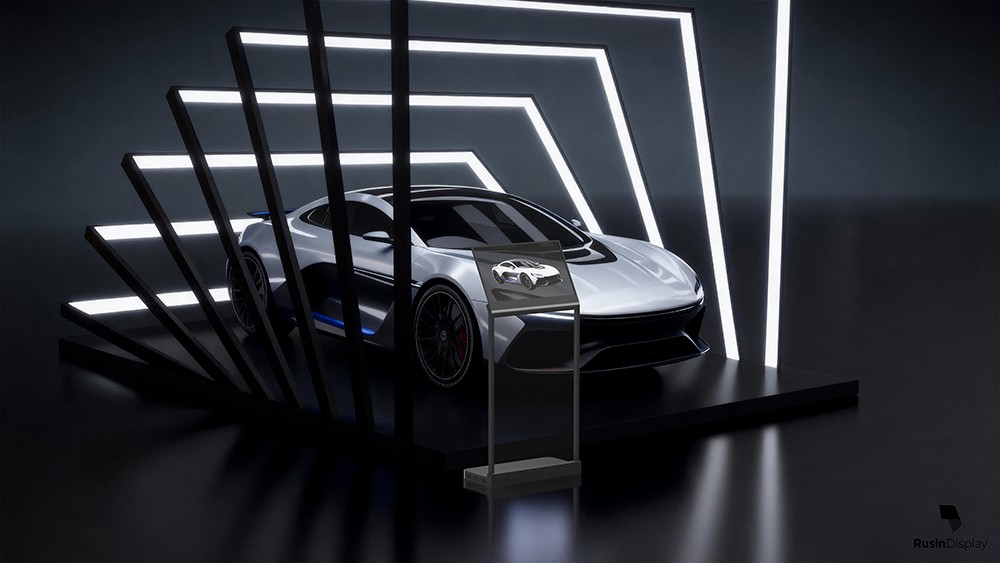
A vehicle remains the main attraction in an automotive showroom. A transparent display beside it can present specifications, interior options, and design stories while maintaining views across the space.
A freestanding kiosk provides a dedicated information point near the car. A playback configuration suits brand films and model introductions; adding touch and suitable software allows visitors to browse features or explore available options. The computer should be selected around the intended content, especially when the application includes interactive 3D models.
This arrangement gives visitors information close to the vehicle and provides sales teams with a presentation tool. Keeping text concise and placing the display within comfortable viewing distance makes it easier to move between the screen and the car.
High-End Fashion Boutiques
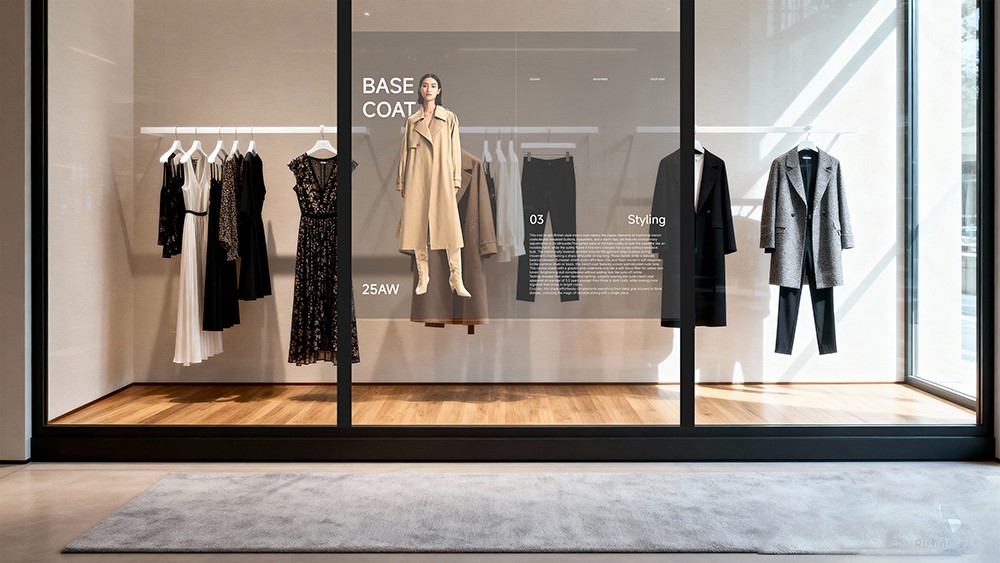
Transparent OLED can bring styling imagery and collection information into a clothing display while keeping the garments on their rails visible behind the screen. Shoppers can see a featured look alongside the real pieces, connecting the digital presentation with the collection in front of them.
The Custom Modular Series can be matched to the display area or integrated into its surrounding structure. Mounting, concealed cabling, and playback equipment are planned around the clothing layout and available space.
Content can combine model photography, seasonal collection names, and short styling notes. Leaving open areas around these elements helps preserve the view of the garments. The presentation can then be updated as new collections arrive.
Premium Beauty Experience Zones
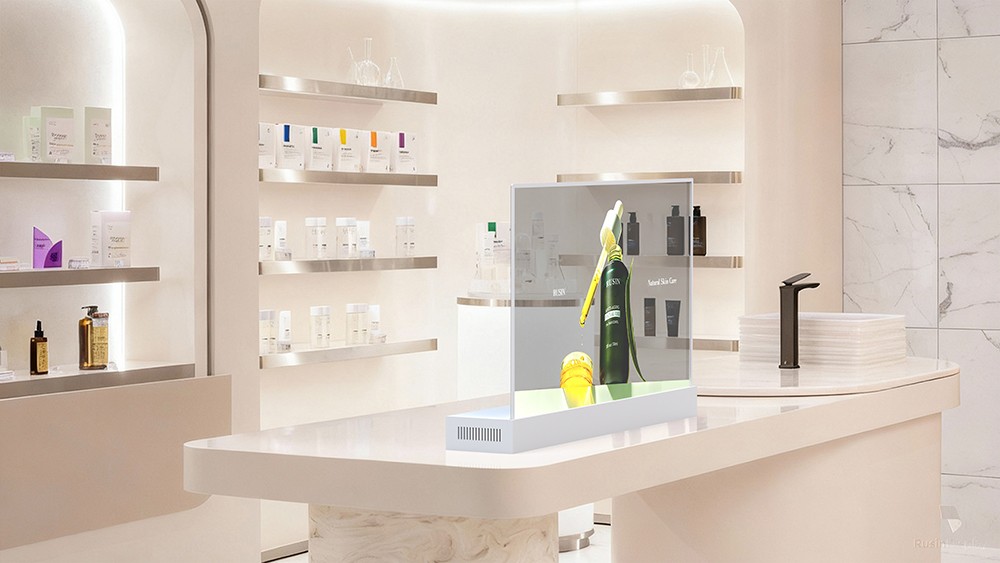
Beauty counters often need to explain several products within a limited space. A transparent desktop display can play short product introductions, ingredient information, and application steps beside the cosmetics, helping shoppers understand the range without filling the counter with printed material.
The Desktop Series provides a compact presentation format for this setting. The main configuration centers on a media player and a clear playback sequence, with the screen positioned to complement the products and counter lighting.
Short videos and simple graphics can introduce one product or routine at a time. Here, playback is the main focus: the display supports product discovery and staff explanations without requiring shoppers to use a touchscreen. Content can be refreshed for launches, seasonal promotions, or changes to the featured range.
Shopping Malls
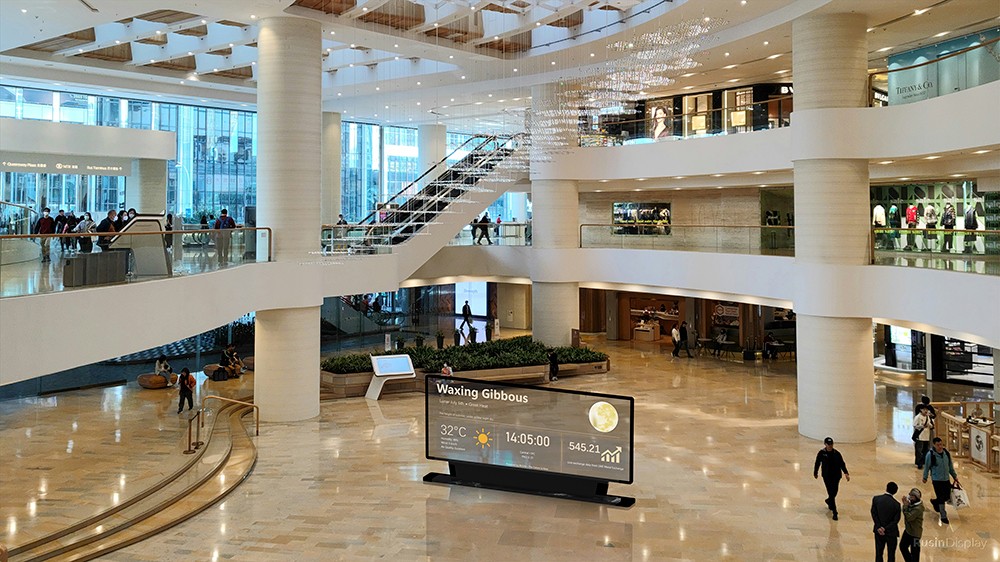
Shopping mall atriums, event areas, and brand pop-ups can use a larger transparent display to create a shared visual feature. A video wall provides room for campaign imagery and coordinated motion while retaining views of the space behind the installation.
The Custom Video Wall Series allows the panel size and number of screens to be selected around the available space. Two rows with multiple columns are a common arrangement for a broad presentation. The supporting structure, cable routes, maintenance access, and playback control need to be planned together.
Content designed for the complete layout can span the screens as one larger composition. Panel joins remain part of the display, so text and important visual details should be positioned with those boundaries in mind.
Plan a Display Around Your Retail Space
Start with the products you want to present, the available installation space, and whether visitors will watch content or interact with it. These details help determine the display format, mounting arrangement, playback system, and optional touch configuration.
Contact RusinDisplay or email info@rusindisplay.com to discuss a transparent OLED solution for your retail space.